
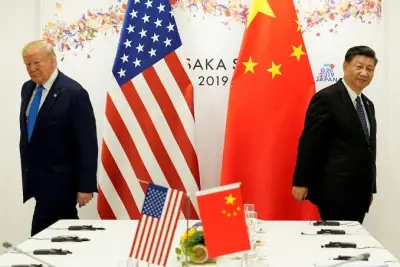
US Trade Chief Urges G20 to Back Tariff Agenda and Calls Out China
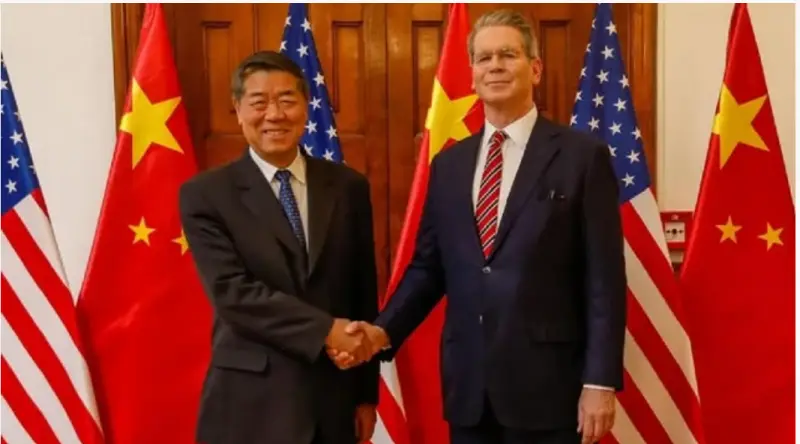
Speaking to trade ministers at the G20 meeting in Milwaukee, US Trade Representative Jamieson Greer urged major economies to reconsider global trade rules, stop withholding food supplies, and confront China's massive manufacturing subsidies.
US Trade Chief Urges G20 to Back Tariff Agenda and Calls Out China Over Factory Overproduction
The United States has called on the world's leading economies to rethink the global trade rules that have governed cross-border business since World War II. Opening the Group of 20 (G20) trade ministers meeting in Milwaukee, US Trade Representative Jamieson Greer made a direct push for the Trump administration's trade agenda, emphasizing that tariffs are vital for protecting domestic industries and securing critical supply chains.
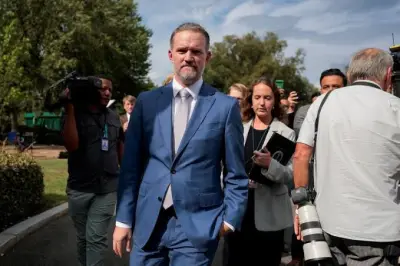
Addressing China's Excess Production
Greer placed significant focus on the economic fallout caused by state-subsidized factory surpluses, taking aim at Beijing's trade practices.
He warned that when governments use non-market policies to produce far more goods than their own citizens can consume, the surplus floods international markets. This dynamic depresses prices globally, placing severe financial pressure on overseas factories and workers.
While China has consistently denied that its industrial policies harm other nations, Greer noted that excess capacity distorts global commerce. Earlier in the day, a coalition of 28 mostly Western nations agreed on the sidelines of the summit to work toward coordinated tariffs on Chinese steel to curb oversupply.
Keep reading. It is free.
You have read the first third of this story. Create a free Bridge 2 Profit account to unlock the full article, plus our daily market wrap.
- Full access to every story
- Daily and weekly market wrap by email
- Breaking-news alerts for the markets you follow
Already registered? Log in
No card required. We never sell your data. See our Privacy Policy.
THE DAILY MARKET WRAP, IN YOUR INBOX BY 8 AM IST
One email, every trading morning. The moves that mattered, why they mattered, and what to watch next.